
At Lavender Springs Assisted Living, our approach to medical emergencies is shaped by preparation, proactive care, and a strong commitment to resident safety. We combine early health monitoring, thorough staff training, advanced technology, and compassionate communication to create a safer environment for every resident. This thoughtful approach allows us to respond quickly and appropriately during moments that matter most.
Throughout our community, we also focus on what families value most—clarity, trust, and peace of mind. From understanding the care provided in assisted living to understanding how our team manages urgent medical needs, we ensure you always have insight into the processes that protect your loved one. You can also learn more about our services at https://lavendersprings.com.
Proactive Health Assessments
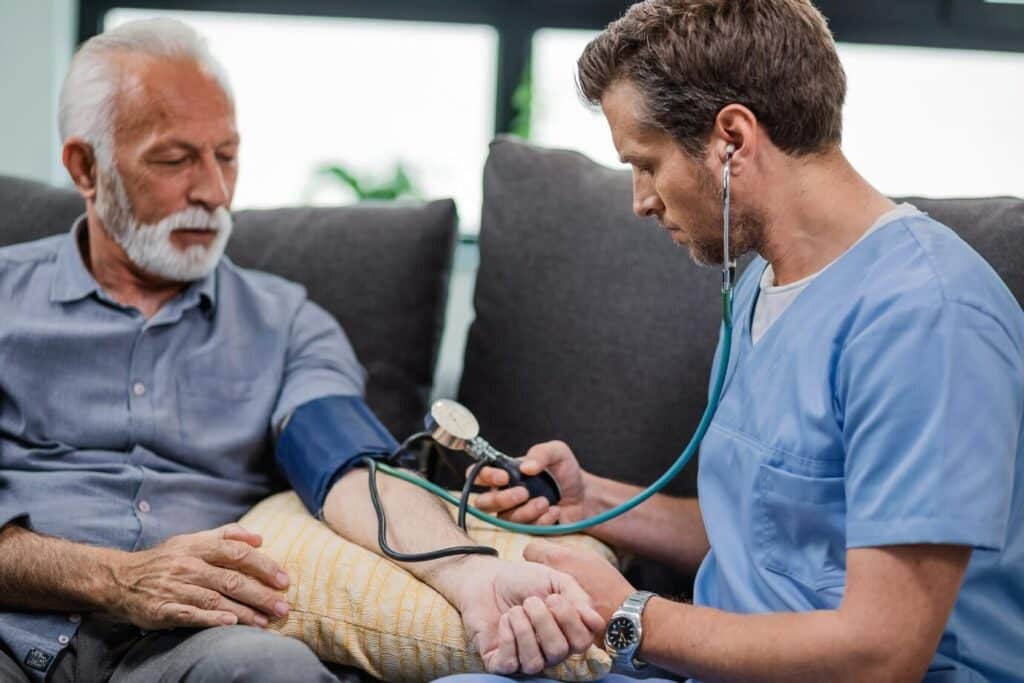
Effective emergency response begins long before an incident occurs. That’s why proactive screenings and assessments form the backbone of our health strategy. These evaluations help identify concerns early, support the management of chronic illnesses, and allow our team to deliver timely interventions. This forward-looking approach dramatically reduces the risk of medical emergencies in assisted living, ensuring that residents receive attentive, personalized support.
By integrating regular monitoring with ongoing communication, we elevate overall safety and empower residents to maintain stronger health. This also aligns with best practices in senior care and complements the principles of a home providing care for the sick, especially the terminally ill, where comfort and close supervision are essential. Continuous assessments are also closely tied to ongoing medical care, ensuring residents receive consistent and appropriate attention to their individual needs.
For additional reference on proactive senior wellness, families can explore trusted sources such as the National Institute on Aging.
Staff Training and Emergency Preparedness
Health assessments set the stage, but skilled staff ensure successful action. At Lavender Springs, our team participates in regular simulations, workshops, and continued learning to remain prepared for any scenario. These exercises include response timing, communication coordination, and scenario-based problem-solving—all essential for managing medical emergencies in assisted living.
Comprehensive staff development also supports industry standards for emergency management planning criteria for assisted living facilities, ensuring we maintain best practices that protect residents. Our ongoing continuous education keeps every team member equipped with the latest techniques and requirements.
| Training Focus | Certification Type |
| Emergency simulations | CPR and First Aid |
| Crisis management | Advanced Life Support |
| Communication skills | Crisis Intervention |
| Equipment handling | Medical Emergency Response |
This commitment to preparedness ensures residents always receive reliable and informed support.
Immediate Response Protocols
When an urgent situation arises, the first moments are critical. Lavender Springs staff follow structured response procedures designed to stabilize residents, provide comfort, and coordinate efficiently with emergency responders. These protocols also reflect recognized standards for managing medical emergencies in nursing homes, ensuring timely care regardless of the setting.
Regular practice through emergency drills allows staff to remain calm, quick, and coordinated. Our team provides essential support while awaiting medical professionals, helping maintain safety and minimize complications. Their ability to adapt quickly ensures a smooth and steady transition from first response to medical intervention.
For more insight into the importance of well-structured emergency actions, visit the CDC’s emergency preparedness guidelines.
Our team is also trained in navigating medical emergencies, ensuring preparedness for a wide range of scenarios.
Advanced Technology and Equipment
Strong emergency response depends not only on people but also on the tools and technology that support them. Lavender Springs uses modern systems to detect and address concerns quickly. Features such as emergency call systems in every room, telehealth connections, and wearable health monitoring devices provide rapid alerts and real-time information.
These innovative systems help prevent escalation, reducing the likelihood that minor symptoms turn into medical emergencies in assisted living situations. Real-time alerts also assist in early recognition—an essential part of protecting residents with chronic conditions or mobility limitations.
Through advanced digital support and strong clinical communication, our team works more efficiently and responds with precision. Access to specialists is readily available through our on-call healthcare network.
Families seeking more information on technology’s role in senior care may explore the U.S. Department of Health & Human Services‘ resources on digital health.
Communication and Support for Families
During any emergency, families want clarity, reassurance, and honest communication. Lavender Springs prioritizes keeping loved ones informed, acknowledging how crucial peace of mind is during stressful situations.
We encourage ongoing involvement, allow open communication with staff, and provide updates throughout an emergency event. This approach is essential in communities offering a home providing care for the sick, especially the terminally ill, where emotional support matters deeply.
Our team is trained to answer questions compassionately, address concerns thoroughly, and ensure each family feels supported. We also understand that affordability plays a significant role during stressful times, which is why many families explore alternative options for financing.
Through consistent communication, trust grows—ensuring stronger relationships and better outcomes.
Continuous Improvement in Emergency Management
Emergency response is never static. At Lavender Springs, we frequently review incidents, update protocols, and adjust training based on real-world experiences. These improvements help strengthen our approach to medical emergencies in assisted living and align with evolving emergency management planning criteria for assisted living facilities.
| Emergency Drills | Incident Reviews | Continuous Improvement |
| Regular practice guarantees preparedness | Analyze past incidents for insights | Implement changes based on findings |
| Staff become familiar with protocols | Identify strengths and weaknesses | Foster a culture of learning and adaptation |
| Engages families in the process | Provides transparency and trust | Focus on better outcomes for residents |
This commitment ensures our community remains safe, responsive, and prepared for unexpected events.
Your Loved One Deserves the Best Protection — Call Us Today
At Lavender Springs Assisted Living, we understand how necessary safety and quick intervention are during urgent situations. Our approach to medical emergencies in assisted living is built on preparation, communication, and compassion. With proactive health assessments, advanced technology, strong emergency protocols, and a team trained to handle what care is given in assisted living, we provide the peace of mind families seek.
If you’re searching for a trusted community that understands the needs of seniors—and manages medical emergencies in nursing home–level situations with confidence—Lavender Springs is here for you.
We invite you to speak with us directly, schedule a tour, or ask questions about how we protect and support your loved one.
Call us today at 512-858-0211 or schedule a tour here.
Frequently Asked Questions
What are some common medical emergencies?
Common medical emergencies often include situations that require immediate attention to prevent serious harm. These may involve heart attacks, strokes, severe allergic reactions, or difficulty breathing. Falls that cause fractures, uncontrolled bleeding, or sudden loss of consciousness are also common. Each of these events demands rapid intervention to stabilize the person and reduce long-term complications. Recognizing the signs early can help ensure faster response and better outcomes.
What are 5 examples of emergency situations?
Five examples of emergencies include heart attacks, strokes, choking, severe bleeding, and seizures. These conditions escalate quickly and can become life-threatening without prompt action. Emergency responders are trained to handle these scenarios using standardized protocols to ensure safety. In many cases, early recognition and a call for help can significantly improve outcomes. It’s essential to seek immediate care whenever one of these events occurs.
What situations are considered a medical emergency?
A medical emergency is any situation in which a person’s health is at immediate risk if action isn’t taken right away. This includes chest pain, difficulty breathing, sudden confusion, heavy bleeding, or severe allergic reactions. Situations like major burns, poisoning, or traumatic injuries from accidents also qualify. These events require urgent evaluation by medical professionals. If there is ever uncertainty, it is safer to treat the situation as an emergency and seek immediate assistance.
What are three medical emergencies?
Three examples of medical emergencies include heart attacks, strokes, and anaphylactic reactions. Heart attacks and strokes involve interruptions in blood flow and can lead to permanent damage if not treated quickly. Anaphylaxis is a severe allergic reaction that can cause swelling, breathing difficulties, and shock. All three require rapid medical intervention to prevent serious outcomes. Early recognition and calling emergency services are key to improving survival and recovery.