
Social activities for seniors create opportunities for connection, purpose, learning, and movement. The right activities feel enjoyable, accessible, and suited to the individual. Social engagement can include anything from a quiet conversation or hobby group to a class, outing, or community gathering.
Social participation does not need to fill every day or involve large groups. A manageable routine built around personal choice is more valuable than attending activities simply to stay busy. Understanding the available options, possible barriers, and respectful ways to offer support can help seniors and families find experiences that feel worthwhile.

What Are Social Activities for Seniors?
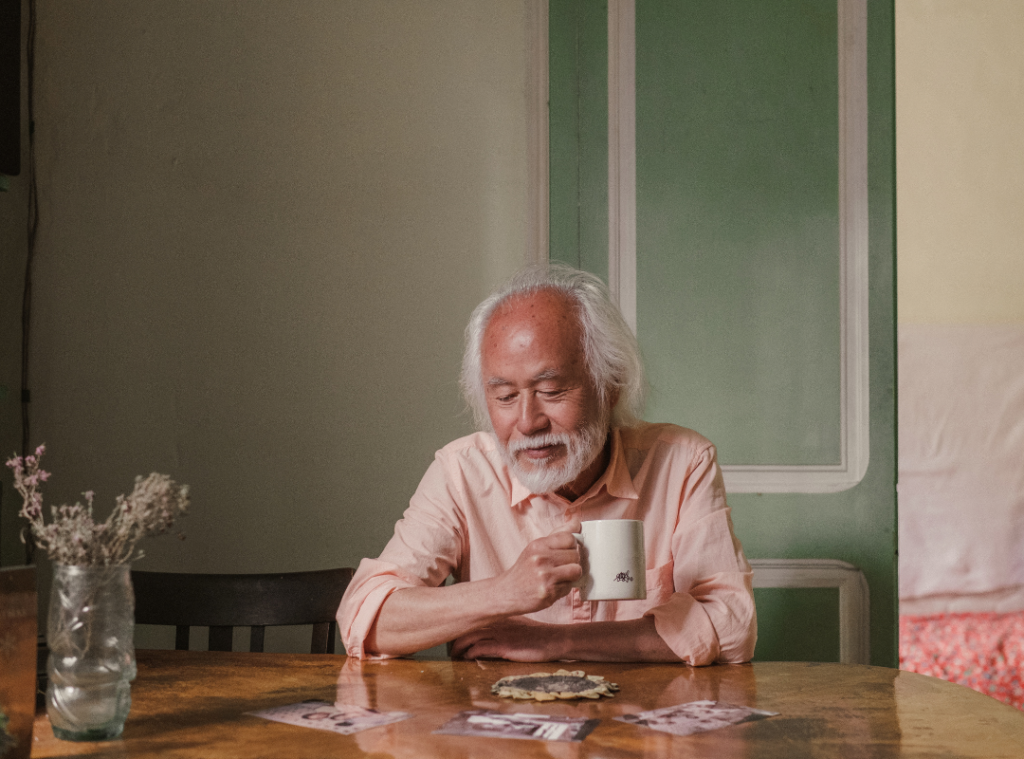
Social activities for seniors are shared experiences that provide opportunities for conversation, connection, learning, recreation, or contribution. They may involve one other person, a small group, a larger gathering, or remote interaction with friends and family.
Senior social activities can include nature walks, museum visits, cultural events, hobby groups, book clubs, workshops, volunteering, and informal gatherings. A good fit is not determined by an activity’s size or popularity. It should reflect the person’s preferences and support needs.
Social connection, social isolation, and loneliness are related but different. The Centers for Disease Control and Prevention’s explanation of social isolation and loneliness describes social isolation as having limited relationships, contact, or support. Loneliness is the personal feeling of being alone or disconnected, so someone can feel lonely even when other people are nearby.
What Are the Benefits of Social Activities for Seniors?
Social activities can support a senior’s sense of connection, purpose, and participation in daily life. Their value often comes from regular contact with others and opportunities to continue learning, contributing, and expressing personal interests.
The World Health Organization’s information on social isolation and loneliness estimates that social isolation affects up to 1 in 3 older adults. This does not mean every senior needs the same amount of interaction. It shows why access to supportive relationships and suitable opportunities matters.
The benefits of social activities for seniors may include:
- Connection and belonging: Shared experiences can help people maintain relationships and form new ones.
- Purpose and identity: Hobbies, volunteering, and group participation allow seniors to contribute and express what matters to them.
- Mental and emotional engagement: Conversation, learning, and creative activities can provide stimulation and enjoyment.
- Movement and participation: Walks, outings, and group activities may create natural opportunities to stay involved in daily life.
Choice is central to these benefits. Selecting when, where, and how to participate supports independence and personal agency. An activity is more likely to feel worthwhile when the individual has a voice in the decision.
Which Social Activities Fit Different Interests and Abilities?
The most suitable activities reflect what the person enjoys and how they prefer to participate. A strong fit considers interests, abilities, energy, access, and preferred group size. Age alone does not determine whether someone will enjoy a book club, creative workshop, nature walk, cultural event, or social gathering.
Start with familiar interests. Someone who has always enjoyed reading may feel comfortable in a book club, while a person drawn to plants and outdoor spaces may prefer gardening or a nature-based activity. Familiarity can make participation feel more natural, especially when someone is entering a new group or setting.
Match the Activity to the Person
Think about what already captures the person’s attention. Creative interests may lead to arts and crafts, while curiosity and learning may point toward classes, museum visits, or cultural events. Volunteering may appeal to someone who values contribution and purpose.
The preferred level of interaction matters, too. One person may enjoy a lively group, while another may connect more easily through a quiet conversation or small gathering. Both can provide worthwhile social engagement for seniors.
Consider the Setting and Level of Participation
Participation can take many forms. A senior may attend an activity for a short time, observe before joining, or take part in a modified way. These options can make an experience more approachable without removing personal choice.
| Factor to consider | Questions to ask | Possible activity formats |
| Personal interests | What hobbies or topics already hold their attention? | Hobby groups, book clubs, arts and crafts, workshops |
| Preferred interaction | Do they prefer one person, a small group, or a larger gathering? | Visits, clubs, classes, social gatherings |
| Physical ability | Does the activity require walking, standing, travel, or transfers? | Adapted classes, seated activities, accessible outings |
| Energy and routine | What time and duration feel manageable? | Short gatherings, scheduled groups, occasional outings |
| Access | Is transportation or another form of assistance needed? | On-site activities, arranged outings, remote participation |
For more possibilities, explore these fun activities for seniors and consider which ideas best match the person’s interests and abilities.

What Can Make Social Engagement Difficult?
Participation can become difficult when the activity, environment, or level of support does not fit the person. Mobility needs, transportation, accessibility, energy, cost, and unfamiliar settings may all affect whether an opportunity feels manageable.
Reluctance does not always mean someone dislikes being social. The group may feel too large, the activity may last too long, or the setting may be hard to navigate. The person may also prefer a different type of interaction. Asking what feels uncomfortable often reveals a practical adjustment.
A simple barrier-response framework can help:
- Identify what is making participation difficult.
- Ask what type of interaction feels comfortable.
- Adjust the activity, setting, duration, or support.
- Reassess the experience without applying pressure.
A shorter activity, smaller group, familiar companion, or accessible setting may make participation easier. If the person still does not want to join, respect that choice and consider another option later.
How Can Families Encourage Social Engagement Without Pressure?
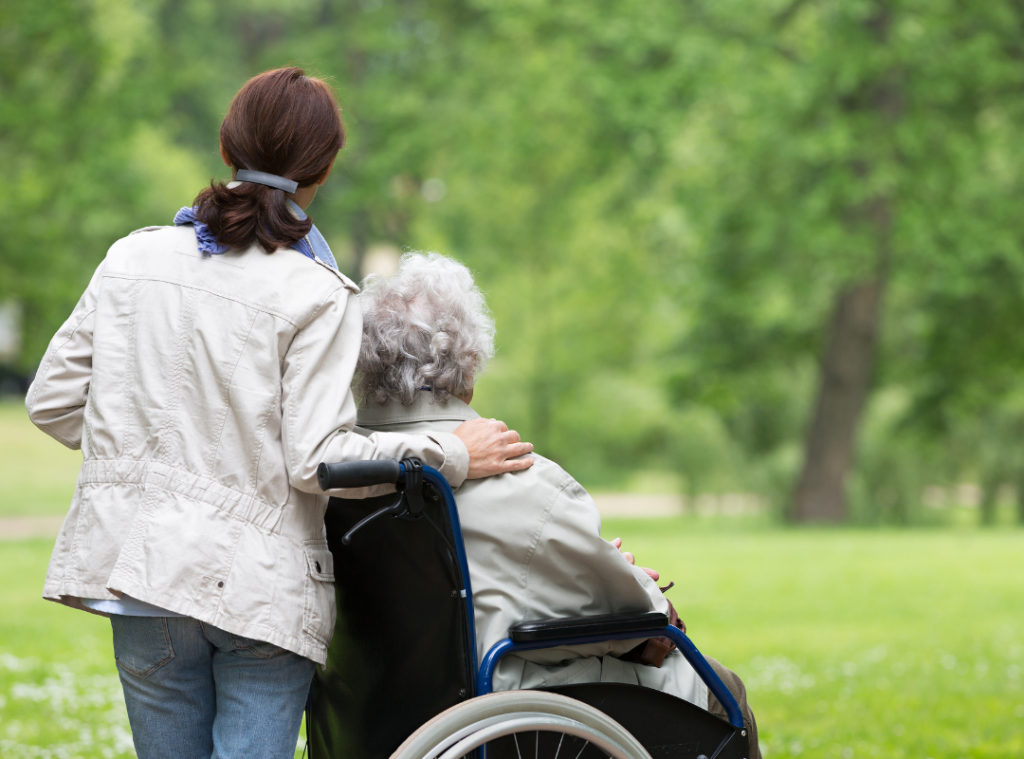
Families can encourage social engagement by offering respectful invitations and manageable choices. The goal is to open a door, not make participation feel like an obligation.
A specific invitation often feels easier to answer than a broad request. You might ask whether your family member would prefer a short nature walk or a book discussion. Offering two suitable choices provides direction while leaving the decision with them.
Joining the first activity together may also make an unfamiliar setting feel easier to approach. Afterward, ask what they liked, what felt uncomfortable, and whether they would change anything next time. Their answers can guide future choices more effectively than assumptions about what seniors are expected to enjoy.
Pay attention to refusals and personal boundaries. A person may want connection but prefer shorter visits, smaller groups, or a different time of day. Respectful encouragement protects autonomy and makes future invitations feel safer and more genuine.
How Often Should Seniors Participate in Social Activities?
There is no universal schedule for senior social activities. A suitable routine should feel enjoyable and manageable while fitting the person’s needs and preferred amount of interaction.
Some people enjoy frequent group activities, while others find one or two planned connections more satisfying. Quality matters as much as frequency. A thoughtful conversation or shared hobby may provide more value than several activities the person does not enjoy.
The National Institute on Aging’s tips for staying connected include in-person visits, calls, messages, classes, shared interests, and community involvement. Using different forms of connection can help create a flexible routine when travel, mobility, or energy changes.
Watch how the routine feels over time. If activities regularly leave the person tired or overwhelmed, adjust the duration or frequency. If they want more interaction, explore another manageable opportunity. The Lifestyle Assessment can also provide a next step for families exploring preferences and community fit.
Explore Social Connection at Lavender Springs
Social connection begins with personal choice, suitable opportunities, and spaces where interaction can happen naturally. Lavender Springs in Austin offers spacious living, social, and dining areas, an outdoor deck and living area, a private garden deck with raised bed gardening, and weekly on-site nondenominational church services. You can also explore the community’s services as you consider the setting and support that may fit your family’s needs.
If you would like to see the shared spaces in person, you can schedule a tour at a convenient time. You are also welcome to contact us to discuss what social connection could look like for you or someone you care about.
Frequently Asked Questions
What types of social activities are suitable for different interests and abilities?
Suitable activities match the person’s interests, abilities, and preferred way of interacting. Options may include hobby groups, book clubs, arts and crafts, classes, nature walks, volunteering, or informal gatherings. Activities can often be adjusted through shorter sessions, seated participation, smaller groups, or accessible settings. The best choice is one the individual finds enjoyable and manageable.
What are the benefits of staying socially engaged as you age?
Staying socially engaged can support connection, purpose, personal identity, and participation in daily life. Conversation and shared interests may provide mental and emotional stimulation. Group outings or activities can also create opportunities for movement when they suit the person’s abilities. These benefits are strongest when participation is voluntary and personally relevant.
How can older adults find group activities they genuinely enjoy?
Older adults can begin with hobbies, topics, or routines they already enjoy. Trying a short session can make it easier to assess the people, setting, pace, and activity before making a longer commitment. It can also help to compare small groups, larger gatherings, classes, and outings. After each experience, consider what felt enjoyable and what could be adjusted.
How often should seniors participate in social activities?
There is no single participation schedule that works for every senior. The right frequency depends on what feels enjoyable, manageable, and personally suitable. A consistent routine can be valuable, but it should remain flexible as needs and preferences change. Quality experiences matter more than attending a certain number of activities.
How can families encourage social engagement without creating pressure?
Families can offer specific invitations while leaving the final choice with the older adult. Providing two manageable options may feel more respectful than insisting on one activity. Attending together can make a new setting easier to approach. Listen to feedback, respect refusals, and adjust future invitations around the person’s preferences.