Finding enjoyable activities for older adults can help seniors maintain social connections, explore personal interests, and enjoy meaningful daily routines. From creative hobbies and gentle exercise to games and group outings, there are many fun activities for seniors that can be adapted to different interests, abilities, and mobility levels.
In senior living communities, engaging activities offer opportunities to build friendships, learn new skills, and participate in shared experiences. Whether someone enjoys painting, gardening, listening to music, or spending time with friends, having access to a variety of activities can make everyday life more enjoyable.
Some popular senior living activities include arts and crafts, music and dance, gardening, gentle exercise, games and puzzles, cooking, educational workshops, movie nights, and social clubs.
The best activities are not necessarily the most physically demanding or complicated. They are the ones that match each person’s interests, abilities, and comfort level.
Below are nine enjoyable activities for older adults in senior living, along with practical ideas for making each experience engaging, accessible, and meaningful.
1. Creative Activities for Older Adults: Arts and Crafts
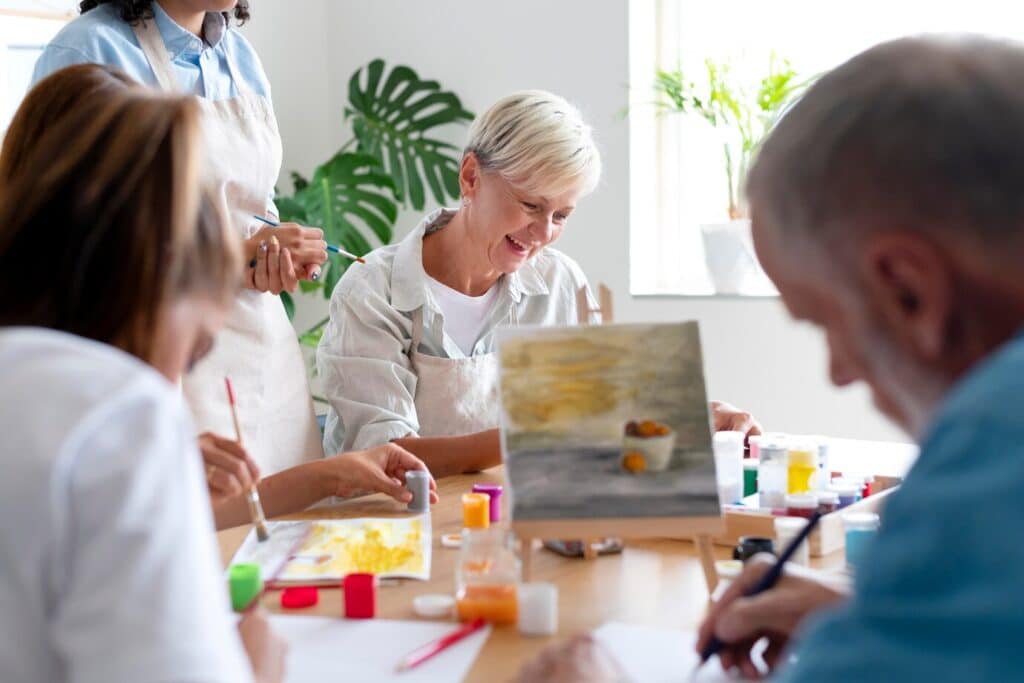
Arts and crafts provide opportunities for older adults to express themselves, explore new interests, and create something meaningful.
Creative activities for older adults can be enjoyed individually or in small groups, making them suitable for people with different personalities, interests, and abilities.
Popular arts and crafts activities for seniors include:
- Painting with watercolors or acrylics.
- Creating greeting cards for family and friends.
- Making seasonal decorations.
- Scrapbooking family photographs.
- Knitting, crocheting, or simple sewing projects.
- Working with clay or other craft materials.
- Creating handmade gifts for loved ones.
For older adults with limited hand mobility, larger brushes, easy-grip tools, and pre-cut materials can make creative activities more comfortable.
Group art sessions also provide opportunities for conversation, sharing ideas, and celebrating each person’s work.
Activity idea: Organize a seasonal art project where participants create decorations or personalized greeting cards for their loved ones.

2. Music and Dance Activities for Seniors
Music is a familiar and enjoyable way for older adults to connect with others, express themselves, and participate in shared experiences.
Listening to favorite songs, singing together, or participating in gentle movement activities can make daily routines more engaging.
Fun music activities for seniors include:
- Group sing-alongs featuring familiar songs.
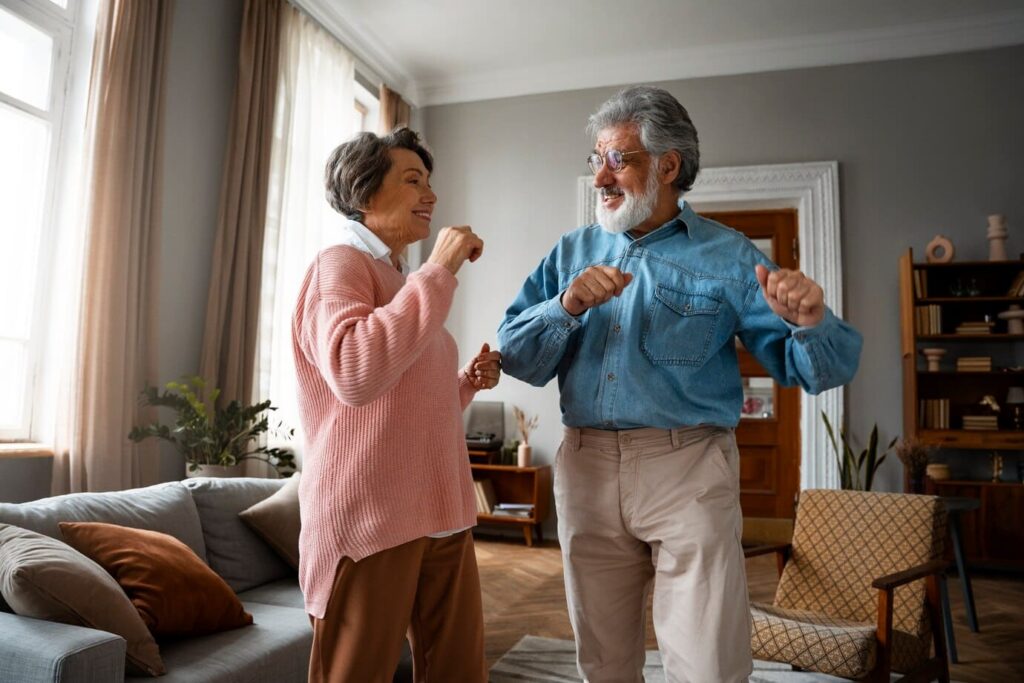
- Seated dancing or gentle movement to music.
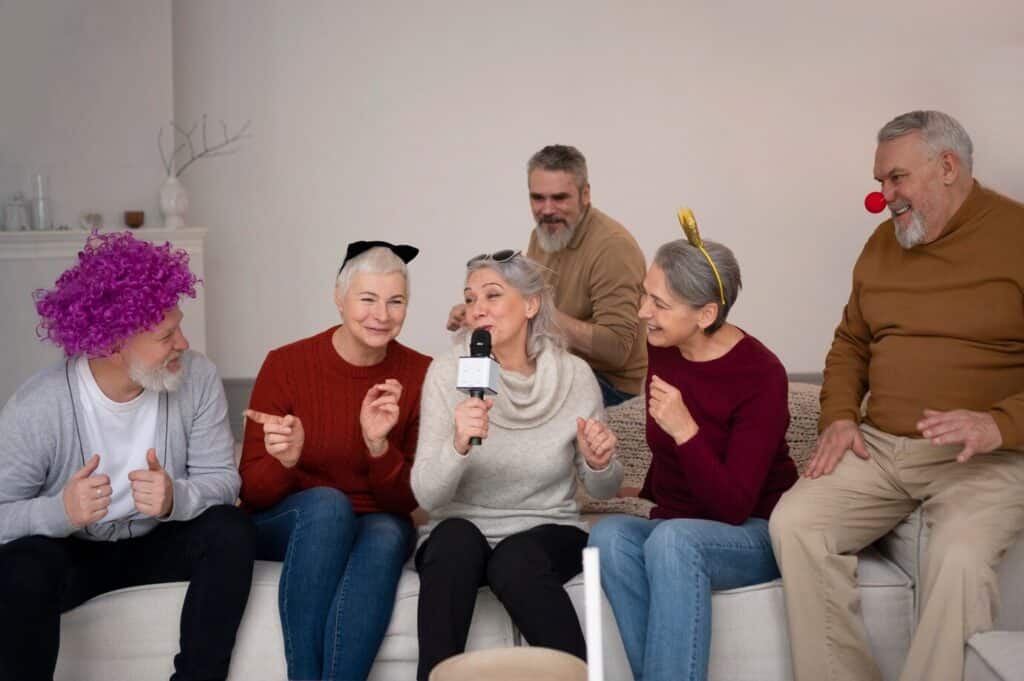
- Karaoke afternoons.
- Musical instrument demonstrations.
- Rhythm activities using simple percussion instruments.
- Listening sessions where participants share favorite songs and memories.
Music activities can be adapted for people with different mobility levels.
For example, older adults who prefer to remain seated can participate through singing, clapping, or gentle upper-body movements.
Intergenerational Music Activities
Music can also bring older adults and younger family members together.
Grandchildren and other family members can participate in sing-alongs, share favorite songs, or learn about music from different generations.
These shared experiences provide opportunities for conversation and meaningful family connections.
Activity idea: Host a favorite-songs afternoon where each participant chooses a song and shares why it is meaningful to them.
3. Outdoor Gardening Activities for Older Adults
Gardening provides opportunities to spend time outdoors, enjoy nature, and participate in meaningful hands-on activities.
Older adults can grow flowers, care for herbs, or help maintain small vegetable gardens.
Gardening activities for seniors may include:
- Planting flowers in raised garden beds.
- Growing herbs in containers.
- Watering and caring for indoor plants.
- Creating seasonal flower arrangements.
- Identifying plants and sharing gardening tips.
- Participating in small-group gardening projects.
Raised garden beds, lightweight tools, and accessible seating can help make gardening more comfortable for older adults with limited mobility.
For those who prefer indoor activities, caring for potted plants or arranging flowers can provide a similar creative experience.
Group Gardening Activities
Gardening can also be organized as a group activity where participants work together to grow flowers, herbs, or vegetables.
Each person can contribute according to their interests and abilities, whether planting seeds, watering plants, or helping select flowers.
Activity idea: Create a small herb garden where participants can grow basil, mint, or rosemary and use the herbs in cooking activities.
4. Exercise and Fitness Activities for Seniors
Physical activity is an important part of healthy aging. Regular movement can help older adults maintain strength, mobility, balance, and independence.
The most appropriate exercise activities depend on each person’s health, physical abilities, and medical recommendations.
Fun fitness activities for older adults include:
Chair Yoga and Gentle Stretching
Chair yoga allows participants to perform modified movements while seated or using a chair for support.
Gentle stretching can also help older adults maintain flexibility and participate in regular movement.
Walking Groups
Walking with friends or participating in supervised group walks provides opportunities for physical activity and social interaction.
Walking routes should be selected based on accessibility, weather conditions, and participants’ mobility levels.
Low-Impact Exercise
Gentle aerobics, seated movement classes, and appropriately supervised strength exercises can help older adults maintain an active lifestyle.
Balance Activities
Suitable balance exercises may help improve stability and support mobility when performed safely.
Older adults with balance difficulties or a history of falls should seek guidance from a qualified healthcare professional before starting new exercises.
Activity idea: Organize a short morning movement session with seated stretching, gentle exercises, and music.
5. Games and Puzzles for Older Adults
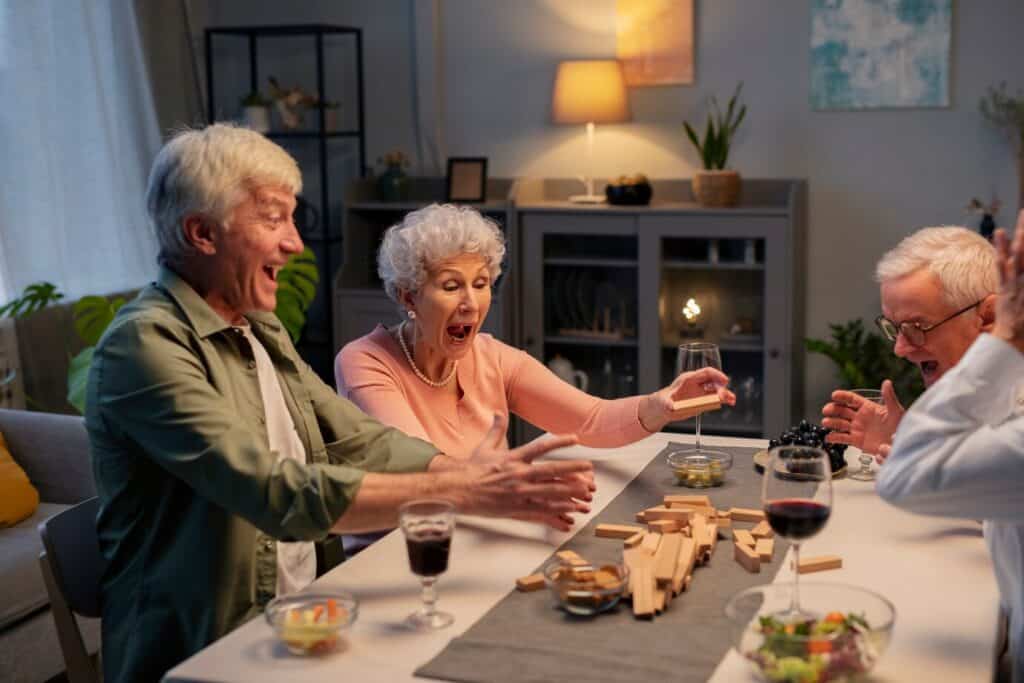
Games and puzzles are among the most accessible fun senior activities because they can be adapted to different interests, abilities, and group sizes.
They provide opportunities for problem-solving, friendly competition, and social interaction.
Popular games for older adults include:
- Bingo.
- Crossword puzzles.
- Jigsaw puzzles.
- Card games.
- Trivia competitions.
- Board games.
- Word searches.
- Large-print word and number games.
For participants with vision difficulties, large-print cards, high-contrast game boards, and larger puzzle pieces may be helpful.
Games can also be adapted for smaller groups or individual participation.
Fun Group Activities for Seniors
Group games are an enjoyable way to bring older adults together around shared interests.
Bingo, trivia competitions, card games, and collaborative puzzles can encourage conversation and friendly interaction.
For larger groups, participants can form teams to work together on trivia questions or other games.
For smaller groups, card games, word puzzles, and board games may provide a more relaxed social experience.
Activity idea: Organize a weekly trivia afternoon featuring music, history, movies, or other topics participants enjoy.
6. Cooking and Baking Workshops
Cooking and baking are meaningful activities for older adults who enjoy preparing food, sharing recipes, or spending time with others.
These activities can encourage creativity, conversation, and participation in familiar daily routines.
Cooking activities for seniors include:
- Decorating cookies.
- Preparing simple fruit salads.
- Sharing favorite family recipes.
- Making sandwiches or other easy meals.
- Participating in themed cooking demonstrations.
- Creating seasonal snacks.
Older adults with limited mobility can participate by measuring ingredients, mixing, decorating, or sharing recipes while seated.
Activities should account for food allergies, dietary restrictions, swallowing difficulties, and safe food handling.
Intergenerational Cooking Activities
Cooking can also create opportunities for older adults to connect with younger family members.
Grandchildren and other relatives can participate in simple food preparation, learn family recipes, or listen to stories about traditional dishes.
These experiences allow older adults to share knowledge and maintain meaningful family traditions.
Activity idea: Host a family recipe afternoon where participants share favorite dishes and explain the memories associated with them.
7. Educational Workshops and Technology Activities for Seniors
Learning new skills and exploring familiar interests can help older adults maintain curiosity and enjoy meaningful social experiences.
Educational activities for seniors can be adapted to different learning preferences and levels of experience.
Examples include:
- Technology lessons for smartphones and tablets.
- Local history presentations.
- Creative writing workshops.
- Book discussions.
- Art appreciation classes.
- Language learning activities.
- Guest lectures about interesting topics.
Technology Activities for Seniors
Technology activities for seniors can create opportunities to learn new skills, explore personal interests, and maintain connections with family and friends.
In senior living communities, technology workshops can be adapted to different experience levels, allowing older adults to participate at their own pace.
Some enjoyable technology activities for older adults include:
- Learning how to make video calls with family members.
- Participating in virtual museum tours.
- Exploring digital photography and photo-sharing.
- Listening to audiobooks or online music.
- Taking virtual educational classes.
- Playing accessible digital games with friends.
For older adults who are unfamiliar with smartphones or tablets, simple step-by-step instructions and individual assistance can make these activities more approachable.
Activity idea: Organize a digital photo-sharing afternoon where participants can explore family photographs and share meaningful memories.
8. Movie and Theater Nights
Movie nights offer a familiar and relaxing way for older adults to enjoy entertainment together.
Watching classic films, musicals, comedies, or documentaries can also create opportunities for conversation and shared experiences.
Fun movie and theater activities include:
- Classic movie afternoons.
- Musical film screenings.
- Documentary discussions.
- Live theater performances.
- Group storytelling.
- Small performances featuring residents or visiting entertainers.
Comfortable seating, accessible viewing areas, appropriate sound levels, and subtitles can help make these experiences more inclusive.
Interactive Movie Activities
Movie nights can become more engaging when participants are encouraged to choose films, share favorite scenes, or discuss memorable characters.
For example, a classic movie afternoon can include a short discussion about the film’s music, setting, or historical background.
Activity idea: Organize a classic movie afternoon where participants vote on the film and share their favorite scenes afterward.
9. Social Activities for Older People: Clubs and Group Outings
Social clubs and group outings are excellent ways to bring older adults together around shared interests.
Participating in social activities for older people can provide opportunities to develop friendships, maintain connections, and enjoy a sense of belonging.
Popular social activities for seniors include:
- Book clubs.
- Gardening clubs.
- Group games.
- Birthday celebrations.
- Volunteer projects.
- Holiday gatherings.
- Local museum visits.
- Community events.
- Nature outings.
Group activities should be planned around participants’ interests, mobility, accessibility needs, and personal preferences.
Older adults who prefer smaller gatherings may enjoy book discussions, coffee conversations, or small-group craft sessions.
Intergenerational Activities for Seniors and Families
Intergenerational activities bring older adults and younger generations together through shared interests and experiences.
Fun intergenerational activities for seniors include:
- Sharing family recipes during cooking sessions.
- Creating arts and crafts with grandchildren.
- Playing board games or trivia together.
- Teaching younger family members traditional hobbies.
- Recording family stories and personal memories.
- Participating in community volunteer projects.
Activities should be selected based on the interests and abilities of everyone involved.
Activity idea: Create a monthly social club where participants choose a different theme, such as favorite books, travel memories, music, or seasonal celebrations.
Fun Activities for Seniors Over 70
Finding enjoyable activities for seniors over 70 starts with understanding each person’s interests, abilities, and preferred level of social interaction.
Many older adults enjoy gardening, painting, music, gentle exercise, puzzles, and group games. These activities can be adapted for different mobility levels and personal preferences.
For seniors who prefer quieter activities, reading groups, storytelling, or small-group crafts may provide enjoyable opportunities to connect with others.
Older adults who enjoy staying active may prefer walking groups, accessible gardening, or appropriately supervised fitness classes.
Technology workshops, family storytelling, and group games can also provide opportunities to learn new skills and maintain social connections.
Age alone should not determine which activities someone can participate in. The most suitable activities are those that match individual interests, comfort, health, and abilities.
Activities for Seniors With Limited Mobility
Older adults with limited mobility can still enjoy meaningful physical, creative, and social activities.
The goal is to adapt activities to individual abilities rather than exclude someone because they cannot participate in a traditional group setting.
Accessible activities for seniors with limited mobility include:
| Activity | Accessible adaptation |
|---|---|
| Arts and crafts | Use larger materials, easy-grip tools, and seated workstations. |
| Gardening | Provide raised garden beds or tabletop planting activities. |
| Exercise | Offer appropriately supervised seated movement or chair exercises. |
| Games | Use large-print cards, accessible game boards, and comfortable seating. |
| Music | Encourage singing, listening, or gentle seated movement. |
| Cooking | Provide seated preparation areas and simplified cooking tasks. |
| Technology | Use larger screens, accessible devices, and individual assistance. |
Before beginning new physical activities, older adults with medical conditions or significant mobility limitations should consult an appropriate healthcare professional.
How to Choose Fun Group Activities for Seniors
Fun group activities for seniors should encourage social interaction while respecting each person’s interests, abilities, and preferences.
When planning activities in a senior living community, consider the size of the group, the accessibility of the space, and the amount of assistance participants may need.
For example, bingo, trivia, sing-alongs, and group crafts can be adapted for different group sizes and participation levels.
Some older adults may prefer quieter activities, such as book discussions or small-group gardening, rather than large social gatherings.
Offering different types of activities gives residents more opportunities to participate in experiences they genuinely enjoy.
Popular Group Activity Ideas
| Group activity | How to organize it |
|---|---|
| Bingo afternoon | Use large-print cards and allow participants to play individually or in teams. |
| Music and sing-along | Invite participants to choose familiar songs and sing together. |
| Group gardening | Plant flowers or herbs in accessible containers or raised beds. |
| Trivia competition | Create questions about music, history, movies, and other familiar subjects. |
| Arts and crafts | Organize seasonal projects using accessible materials. |
| Cooking club | Prepare simple recipes and encourage participants to share family traditions. |
| Book discussion | Choose short stories or books based on participants’ interests. |
Group activities should encourage participation without making anyone feel pressured to join.
Providing both small-group and larger social options allows older adults to choose experiences that suit their comfort level.
How to Choose the Right Activities for Older Adults
Not every activity is appropriate for every person. Older adults have different interests, energy levels, mobility needs, and personal preferences.
When choosing activities for seniors, consider the following:
Personal interests: Start with hobbies and activities the person already enjoys.
Physical abilities: Adapt activities to accommodate mobility limitations, fatigue, or other health considerations.
Social preferences: Some older adults enjoy large group events, while others prefer individual hobbies or smaller gatherings.
Accessibility: Provide appropriate seating, lighting, easy-to-handle materials, and assistance when needed.
Choice and independence: Allow older adults to decide which activities they want to participate in.
The goal is to make activities enjoyable, meaningful, and accessible rather than simply keeping someone busy.
Frequently Asked Questions About Activities for Older Adults
What are the best activities for older adults?
Some of the best activities for older adults include arts and crafts, gardening, music, gentle exercise, puzzles, cooking, educational workshops, and social gatherings. The most suitable activities depend on each person’s interests, abilities, and preferences.
What are some fun activities for elderly adults in nursing homes?
Fun activities for elderly adults in nursing homes may include bingo, arts and crafts, music sessions, gentle seated exercises, gardening, and group games. Activities should be adapted to individual care needs, mobility, and personal preferences.
What are fun group activities for seniors?
Fun group activities for seniors include trivia competitions, bingo, book clubs, cooking workshops, sing-alongs, gardening clubs, and seasonal celebrations. These activities provide opportunities for social interaction and shared experiences.
What are some creative activities for older adults?
Creative activities for older adults include painting, scrapbooking, pottery, seasonal crafts, photography, creative writing, and handmade greeting cards. These activities can be adapted to different interests and physical abilities.
What are some fun activities for seniors over 70?
Fun activities for seniors over 70 may include gardening, walking groups, music, puzzles, gentle exercise, cooking, and social clubs. Age alone should not determine activity choices. Individual interests, mobility, health, and comfort should guide participation.
What activities can older adults do with limited mobility?
Older adults with limited mobility may enjoy seated exercises, painting, music, card games, puzzles, storytelling, reading groups, and accessible gardening activities. Activities should be adapted to individual abilities and any relevant medical guidance.
What are some unique activities for seniors?
Unique activities for seniors may include virtual museum tours, intergenerational storytelling, digital photography workshops, themed cooking sessions, and collaborative community projects.
What are some free activity ideas for seniors?
Free activity ideas for seniors include walking when appropriate, reading, storytelling, listening to music, simple crafts using existing materials, gardening, and group conversations. Many activities can be adapted for individual or group participation without requiring expensive equipment.
How can families encourage older adults to participate in activities?
Families can encourage participation by suggesting familiar hobbies, offering opportunities to try new interests, and choosing activities that match the person’s abilities and preferences. Participating together can also make activities more enjoyable.