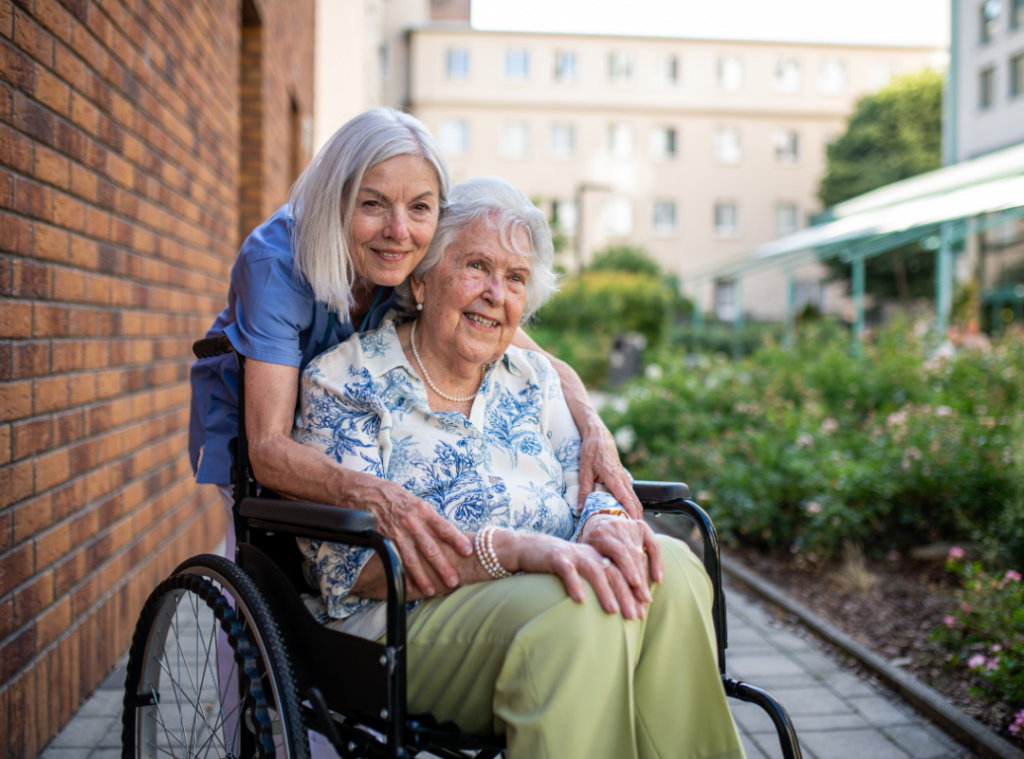

Memory care in Austin provides specialized support for older adults living with dementia, Alzheimer’s disease, and other memory-related changes. Beyond help with daily tasks, the right setting can provide structure, personalized care, meaningful engagement, and social connection while supporting comfort and dignity.
For families, understanding how memory care supports everyday life can make it easier to evaluate whether a community fits a loved one’s changing needs.
How Memory Care in Austin Supports People With Dementia
Dementia can affect memory, communication, judgment, orientation, and the ability to complete familiar tasks. As these changes progress, a person may need more guidance with personal care, medications, meals, daily routines, or moving safely through the day.
Memory care provides a more structured setting where support can be adapted to the individual. The goal is not to take over everything a person can still do. It is to provide the right level of assistance while helping them remain involved in daily life.
At Lavender Springs, Memory Care provides structured support for older adults living with memory loss, offering personalized care tailored to each resident’s needs and routines.
Personalized Care Starts With the Person
Dementia affects people differently. Abilities, interests, routines, communication, and support needs can vary widely, even among people with the same diagnosis.
Personalized memory care considers the individual’s:
- Daily routines and preferences
- Current abilities
- Personal care needs
- Communication needs
- Interests and familiar activities
- Need for guidance or supervision
This person-centered approach also allows support to change as needs change.
At Lavender Springs, personalized care focuses on each resident’s needs and daily routines while emphasizing comfort and dignity.
A Consistent Daily Routine Can Reduce Uncertainty
Familiar routines can make the day easier to navigate for someone living with dementia. Regular patterns around waking, meals, personal care, activities, rest, and bedtime provide structure without requiring every day to be identical.
The Alzheimer’s Association recommends considering a person’s interests, abilities, previous routines, and best times of day when planning daily activities.
A useful routine should still remain flexible. As abilities and preferences change, the amount of guidance and the activities included in the day may need to change as well.
Meaningful Activities Support Engagement and Connection
Activities in memory care can provide opportunities for enjoyment, movement, self-expression, and connection. What matters most is choosing activities that fit the person rather than expecting everyone to participate in the same way.
The National Institute on Aging recommends adapting activities to a person’s abilities and focusing on enjoyment rather than performance.
Cognitive and Sensory Engagement
Reading, simple games, conversation, music, art, photographs, gardening, and familiar objects can provide different ways to participate. Activities can be simplified when needed so they remain manageable rather than frustrating.
Physical Movement
Walking, stretching, gardening, dancing, and other appropriate movement can also become part of the daily routine. Activities should reflect the person’s mobility, abilities, health needs, and professional medical guidance.
Familiar and Purposeful Activities
A person may continue to enjoy activities connected to earlier interests and routines. Gardening, folding laundry, arranging flowers, listening to favorite music, or helping with a simple household task can provide meaningful participation.
The activity does not need to be complicated. The goal is to create opportunities to remain involved.
Social Connection Matters in Dementia Care
Memory loss does not remove a person’s need for companionship and belonging.
Shared meals, small-group activities, conversations, music, family visits, and quiet one-on-one interaction can create opportunities for connection. The right amount of social activity will differ from person to person, so engagement should reflect individual preferences.
Family relationships remain important as well. The National Institute on Aging notes that people with Alzheimer’s may still enjoy visits with family and friends, even if they do not always remember them later.

Creating a Supportive Environment for Memory Loss
The physical environment is another important consideration when comparing dementia care in Austin.
Families can look for spaces that feel comfortable, calm, and manageable for everyday routines. They should also ask how supervision and personal assistance are provided.
Lavender Springs offers spacious living, social, and dining areas along with a private garden deck with raised-bed gardening. Verified Memory Care services include:
- 24-hour personal care and supervision
- Medication assistance
- Help with bathing, dressing, grooming, hygiene, and transfers
- Three meals each day with menu choices
- Personal laundry
- Daily housekeeping
These services provide support with essential parts of daily living while giving residents opportunities for connection and purposeful activity.
Supporting Independence While Providing the Right Help
Memory care does not mean doing everything for someone.
A resident may still be able to choose clothing but need help getting dressed, participate in grooming with guidance, or enjoy gardening with someone nearby.
The National Institute on Aging recommends balancing independence with appropriate assistance as a person’s ability to complete daily tasks changes.
The appropriate level of support depends on the individual. Preserving participation where possible can help maintain dignity while providing assistance where it is needed.
How Families Can Stay Involved
Families can help caregivers understand the person behind the diagnosis by sharing information about familiar routines, interests, communication preferences, important relationships, favorite activities, and situations that may cause frustration.
When considering memory care, ask how the community communicates with families and how relatives can remain involved as care needs change.
What to Look for When Choosing Memory Care in Austin
When comparing memory care communities, look beyond the label and ask how care works in everyday life.
Consider:
- How care is personalized
- How daily routines are structured
- How caregivers respond to confusion or changing needs
- How activities are adapted to different abilities
- What personal care and supervision are available
- How the environment supports comfort and daily routines
- How families are kept informed
If you are still deciding which level of care is appropriate, review the differences between assisted living and memory care.
For broader information about local services, costs, and planning considerations, see the Memory Care Austin, TX family guide. Families focused primarily on pricing can also review the average monthly cost for memory care.
Memory Care at Lavender Springs in Austin
Lavender Springs provides Memory Care for older adults who benefit from additional guidance, structure, and a calm daily rhythm.
The community combines personalized care with meaningful daily engagement and comfortable living spaces. Available support includes 24-hour personal care and supervision, medication assistance, help with activities of daily living, meals, personal laundry, and daily housekeeping.
Families can explore Memory Care at Lavender Springs to learn more about the community and its services.
Helping a Loved One Live With Greater Comfort and Connection
Choosing memory care in Austin is about finding support that fits the person.
Consider what your loved one still enjoys, what they can continue doing, where they need more guidance, and which parts of daily life have become difficult. Then compare communities based on how well their care, routines, environment, and approach to engagement match those needs.
If you are considering Lavender Springs, schedule a tour to visit the community and discuss your loved one’s needs.
Frequently Asked Questions
What Does Memory Care in Austin Provide for Someone With Dementia?
Memory care can provide structured residential support when dementia or other memory changes make daily routines, personal care, medication management, supervision, or safety more difficult. Services vary by community, so families should verify exactly what is included.
How Can Memory Care Support Quality of Life for Someone With Dementia?
Memory care can support quality of life through personalized assistance, familiar routines, meaningful activities, social connection, and opportunities to remain involved in daily life. The approach should reflect the person’s abilities, preferences, and changing needs.
What Activities Can Help Engage Seniors Living With Dementia?
Activities may include music, art, gardening, walking, simple games, household tasks, photographs, reading, or time with others. Activities should be adapted to the person’s interests and abilities, with an emphasis on participation and enjoyment.
How Does Memory Care Support Someone With Alzheimer’s Disease?
Memory care can provide additional structure, supervision, personal assistance, and help with daily routines as Alzheimer’s disease affects a person’s abilities. Families should ask how a community personalizes support and adapts care as needs change.
How Do Families Choose Memory Care in Austin for a Loved One With Dementia?
Consider the person’s current needs first, then compare communities based on personalized care, supervision, daily routines, activities, living environment, family communication, and the ability to adjust support over time. Visiting a community can help families see how those elements work in everyday life.