
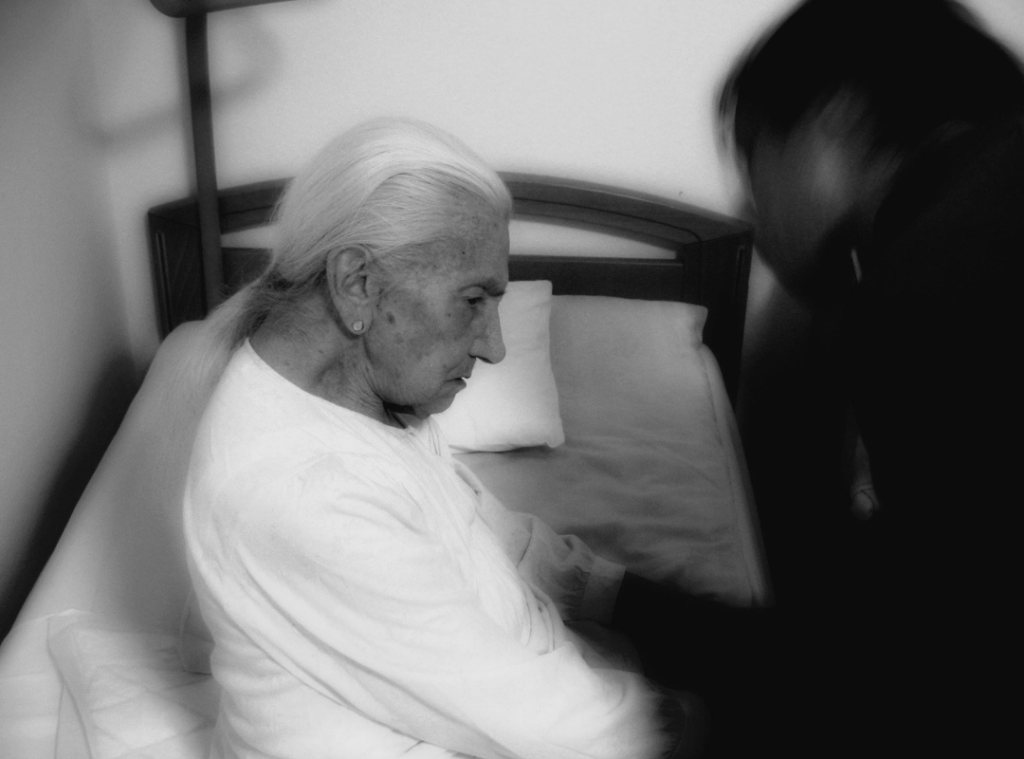
A person living with dementia may seem relatively settled earlier in the day but become more confused, restless, anxious, or irritable as afternoon turns to evening. When this pattern appears regularly or becomes more noticeable later in the day, it may be called sundowning.
Sundowning is not a separate disease or diagnosis. It refers to dementia-related symptoms or behaviors that emerge or intensify later in the day. The experience varies from person to person, so families may find it helpful to notice not only what changes, but also when they tend to happen.
Key Takeaway: Sundowning often involves increased confusion, restlessness, anxiety, agitation, or other behavioral changes as daylight fades. A predictable evening routine, attention to comfort and surroundings, and awareness of changing patterns may help families respond more calmly. Discuss new or significantly worsening behavior with a healthcare professional.

What Is Sundowning in Dementia?
Sundowning describes a pattern in which confusion or behavioral changes become more noticeable in the late afternoon or evening. It can occur in people with Alzheimer’s disease and other forms of dementia.
The exact cause is not fully understood. Rather than being one specific symptom, sundowning may involve several changes at once. As evening approaches, someone may become more confused about where they are, have difficulty following directions, pace around the room, appear anxious, or struggle to settle.
According to Mayo Clinic guidance on late-day confusion in dementia, sundowning is a group of symptoms associated with a particular time of day rather than a disease itself.
This timing is an important distinction. A person with dementia may experience confusion or agitation at other times as well, but a recurring pattern that emerges or worsens toward the end of the day is what makes sundowning recognizable.
What Families May Notice as Evening Approaches
Sundowning doesn’t look the same for everyone. Families may notice one change or several changes occurring together.
Greater Confusion or Disorientation
As daylight fades, a person may seem less certain about where they are, what is happening, or what they are supposed to do next. Familiar surroundings or routines may suddenly feel harder to understand.
They may repeat questions, struggle to follow a familiar sequence of activities, or become confused about the time of day.
Restlessness, Pacing, or Wandering
Some people become noticeably more restless in the afternoon or evening. They may walk from room to room, pace repeatedly, try to leave a familiar space, or seem unable to settle into an activity.
Restlessness alone does not mean someone is experiencing sundowning. The recurring late-day timing and the person’s broader pattern of dementia-related changes provide important context.
Anxiety, Irritability, or Agitation
A calm interaction earlier in the day may become more difficult later. Someone may appear worried without being able to explain why, become impatient with ordinary tasks, resist help, or respond more strongly to sounds and activity around them.
Increased agitation or irritability as daylight fades is among the behaviors recognized in federal guidance on dementia-related sundowning.
Difficulty Settling Into the Evening
Transitions can also become harder. Moving from daytime activities to dinner, personal care, or a quieter evening routine may create confusion or resistance.
For families, the useful question is often not whether every behavior fits a checklist. It is whether a repeated late-day pattern can help explain when changes are most likely to occur.

Why Sundowning May Become More Noticeable Later in the Day
No single proven cause of sundowning exists. Several factors may contribute to or intensify late-day confusion, and the combination can differ from one person to another.
Fatigue
After a full day of activity, conversation, decisions, and sensory input, a person with dementia may have more difficulty processing what is happening around them.
Fatigue can make an already confusing situation harder to manage.
Changes in Light and Shadows
As natural light decreases, rooms can look different. Shadows may become more noticeable, familiar objects may be harder to recognize, and the environment may feel less predictable.
Adequate lighting during the transition from afternoon to evening can make surroundings easier to interpret.
Too Much Stimulation
Television, multiple conversations, household chores, visitors, or other competing sounds can become overwhelming later in the day.
Reducing unnecessary stimulation may make it easier for the person to focus on one activity or interaction at a time.
Hunger, Thirst, Pain, or Other Discomfort
Behavior sometimes communicates a need that the person cannot easily explain. Hunger, thirst, pain, needing the bathroom, uncomfortable clothing, or another physical concern may contribute to restlessness or irritability.
Clinical guidance also notes that health issues such as infection can worsen confusion. For that reason, don’t automatically dismiss a new behavioral change as sundowning.
Changes in Routine or Surroundings
Unfamiliar environments or unexpected schedule changes may add to confusion. Even small disruptions can be harder to process when someone is already tired.
A consistent daily rhythm can provide useful cues about what comes next.
Ways to Create a Calmer Late Afternoon and Evening
No single routine works for everyone with dementia. The goal is to reduce avoidable confusion and notice which approaches support a calmer transition into evening.
Keep the Later-Day Routine Predictable
When practical, keep familiar activities such as meals, personal care, and quiet time in a consistent sequence.
Predictability does not mean every day has to be identical. It means reducing unnecessary surprises when the person may already be having more difficulty processing changes.
Reduce Competing Noise and Activity
As evening approaches, consider whether the environment has become unnecessarily busy.
It may help to:
- Turn down background television or music you’re not actively enjoying.
- Limit several conversations happening at once.
- Complete louder household tasks earlier when possible.
- Move toward one familiar, low-pressure activity at a time.
The aim is not complete silence. A familiar activity, favorite music, photographs, or another calming interest may be reassuring when it suits the individual.
Make Lighting Changes Gradual
Turn on indoor lighting before rooms become noticeably dark. This can reduce abrupt changes in visibility and make shadows less prominent.
The caregiving guidance on sundowning and evening routines recommends keeping the home well lit in the evening and reducing stimulation when confusion tends to increase.
Check for Basic Needs and Discomfort
When behavior changes, consider simple questions first:
- Could the person be hungry or thirsty?
- Do they need to use the bathroom?
- Could they be uncomfortable or in pain?
- Are they too warm or cold?
- Has the day been unusually tiring?
- Has something about the environment or routine changed?
These observations cannot identify every cause, but they can help families respond to an immediate need instead of focusing only on the behavior itself.
Use Familiar, Calming Activities
A simple activity that the person already enjoys may help make the transition into evening feel more familiar.
Depending on the individual, that might mean listening to music, looking through photographs, sitting together in a comfortable space, or taking a supervised walk.
Avoid forcing an activity if it increases frustration. The best approach fits the person and the situation.
Keep Notes About Patterns
If sundowning happens regularly, brief notes can help you identify patterns.
You might record:
- When the behavior begins.
- What was happening shortly beforehand.
- Whether the person had eaten or rested.
- Changes in lighting or activity.
- Signs of discomfort.
- What seemed to help the person settle.
Over time, these observations can also give a healthcare professional more useful context when discussing the changes.
Can Sundowning Affect Sleep at Night?
Yes. Because sundowning begins later in the day and may continue into the evening or night, restlessness or confusion can sometimes make it harder for a person to settle for sleep.
However, sundowning and general dementia-related sleep problems are not the same thing.
People living with dementia may also experience broader changes such as sleeping more during the day, waking repeatedly at night, or having their usual sleep-wake schedule disrupted. Those issues extend beyond the late-day behavioral pattern that defines sundowning.
For families noticing evening confusion, anxiety, pacing, or agitation, it helps to focus first on when those changes occur and what may be happening around the person as evening approaches.
When to Discuss Evening Behavior Changes With a Healthcare Professional
A familiar pattern of sundowning may still warrant discussion with the person’s healthcare professional, especially when the behavior is difficult to manage or seems to be changing.
Seek professional guidance when:
- Evening confusion or agitation is new.
- A familiar pattern becomes noticeably more severe.
- The person appears to be in pain or physically unwell.
- Behavior changes after a medication change.
- Wandering, agitation, or confusion creates a safety concern.
- Practical changes to the routine or environment don’t help.
This matters because behavior changes can have multiple explanations. Pain, infection, medication effects, or another medical condition may contribute to confusion or agitation, and a healthcare professional can help assess possible causes.
Families don’t need to decide on their own whether every evening change is “just sundowning.” Noticing the pattern and sharing specific observations can be a useful first step.

Supporting a Loved One Through Changing Dementia Needs
Dementia-related needs can change over time. What a family can manage today may change as a loved one needs more supervision, personal assistance, or structure throughout the day.
Sundowning by itself does not mean a move to memory care is necessary. Care decisions should consider the person’s broader needs, safety, daily functioning, available support, and individual circumstances.
For families beginning to explore additional support, Lavender Springs offers Memory Care in Austin along with assisted living, respite care, and hospice services. Families considering whether care needs have changed may also find it helpful to read about recognizing when a transition from assisted living to memory care may be appropriate.
Explore What Level of Support May Fit
If changing dementia needs are leading your family to consider additional support, the Lavender Springs Lifestyle Assessment can help you start thinking about what type of care may fit your current situation.

Frequently Asked Questions
What time of day does sundowning usually happen?
Sundowning typically becomes noticeable in the late afternoon or evening as daylight fades. For some people, the confusion, restlessness, anxiety, or agitation may continue into the night. Timing can vary, so families may find it helpful to watch for a recurring pattern rather than expect symptoms at a specific hour.
Can sundowning affect sleep at night?
Yes. Sundowning can continue into the evening or night, and restlessness or confusion may make it harder to settle down to sleep. However, dementia can also cause broader sleep-wake changes separate from sundowning, such as frequent nighttime waking or excessive daytime sleep.
When should you discuss changes in evening behavior with a healthcare professional?
Discuss evening behavior changes with a healthcare professional when they are new, noticeably worsening, difficult to manage, associated with signs of illness or discomfort, or creating a safety concern. Medical issues and medication changes can sometimes contribute to confusion or agitation, so a changing pattern should not automatically be assumed to be sundowning.